My Areas of Expertise
Anasayfa » My Areas of Expertise
My areas of expertise include alcohol addiction, substance addiction, various anxiety disorders (panic disorder, obsessive compulsive disorder, social anxiety disorder, post-traumatic stress disorder), eating disorders, depression, loss and grief processes, self-esteem problems, anger problems and relationship problems.

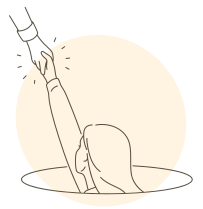
Alcohol dependence is the inability of a person to control their alcohol use and become dependent on alcohol consumption. This can cause physical, mental and social health problems. Addiction is marked by repeated cravings despite attempts to quit alcohol use and may require treatment.

Substance addiction is when a person's need to use certain substances, such as illegal or prescription drugs, becomes uncontrollable. This can lead to physical and psychological dependence. Substance addiction negatively impacts a person's normal life, strains their relationships, and can cause health problems. If left untreated, it can lead to serious consequences.

Anxiety disorders are characterized by intense and persistent anxiety and worry. These disorders can negatively impact a person’s daily life and reduce their ability to function. There are several subtypes, including generalized anxiety disorder, panic disorder, obsessive-compulsive disorder, post-traumatic stress disorder, and social phobia. Anxiety disorders are generally treatable and can be managed with a variety of methods, including therapy, medications, and lifestyle changes. Getting treatment early can help relieve symptoms and improve quality of life.
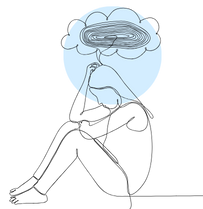
Depression is a mental health disorder that is usually characterized by symptoms such as prolonged low mood, loss of interest, lack of energy, changes in sleep and appetite, feelings of worthlessness, and difficulty concentrating. Depression can interfere with daily life, reduce functioning, and significantly reduce a person's quality of life. It can vary in severity and can have serious consequences if left untreated. Therapy, medications, and supportive measures are common treatments for depression. Early diagnosis and treatment can help relieve symptoms and improve a person's quality of life.

Post-Traumatic Stress Disorder (PTSD) is a psychological disorder that occurs after a person experiences a severe traumatic event. This event can be life-threatening or cause serious injury to the person or others. Symptoms of PTSD include recurring nightmares, difficulty coping with memories of the trauma, hyperarousal, avoidance behaviors, and emotional numbness. These symptoms can negatively impact a person’s social, work, and daily functioning. PTSD can be managed with treatment methods such as therapy, medications, and support groups.

Social Anxiety Disorder
Social anxiety disorder is a mental health disorder characterized by a tendency to experience excessive anxiety and fear in social situations. The person tends to avoid social interactions out of fear of being judged or criticized in public. This can negatively impact daily life activities such as work and social relationships. People with social anxiety disorder may experience physical symptoms such as panic attacks, sweating, shaking, and heart palpitations. Treatment methods such as therapy, medications, and social skills training are used to manage social anxiety disorder.

Obsessive Compulsive Disorder (OCD) is a mental health condition in which a person experiences recurring obsessions and compulsions. Obsessions are unwanted and disturbing thoughts, urges, or images that recur in a person’s mind. Compulsions are repetitive behaviors that occur to cope with these obsessions. For example, a person may clean excessively or develop counting rituals in response to an obsessive fear. OCD can negatively affect daily life and reduce functionality. Cognitive behavioral therapy and medications are often used in treatment. These treatments can help reduce obsessions and compulsions and improve quality of life.

Phobic Disorders
Phobic disorders are mental health disorders characterized by an excessive and irrational fear or avoidance response to a specific object, situation, or activity. The two common types are agoraphobia and specific phobia. Agoraphobia involves a tendency to fear avoidable places, such as crowded places, open spaces, or certain situations. Specific phobia refers to an excessive fear of specific objects or situations, such as animals, heights, blood, or airplanes. These phobic responses can interfere with a person's daily life and reduce functioning. Treatment may include therapy (for example, exposure therapy) and medications. With treatment, symptoms can often be reduced and quality of life improved.

Anger management is a process that involves the ability to recognize, understand, and effectively control anger. These skills aim to express anger appropriately, prevent negative consequences, and prevent damage to relationships. Anger management techniques include deep breathing, using positive language, restructuring thoughts, and problem-solving skills. In addition, skills such as stress management, emotional awareness, and developing empathy are also important in anger management. Using these methods can help an individual cope with anger in a healthier way and establish more positive relationships.

Personality disorders are mental health conditions characterized by persistent and inflexible patterns in a person’s thinking, emotional responses, relationship patterns, and behaviors. Personality disorders usually become apparent in adolescence or early adulthood and often negatively impact a person’s functioning and relationships. There are several subtypes, including antisocial personality disorder, borderline personality disorder, and narcissistic personality disorder. Personality disorders can be managed with treatments such as therapy and sometimes medications, but treatment can often be long-term and challenging.
Self-esteem problems refer to situations where a person has low self-belief. In this case, the person sees their own value as low, cannot trust their abilities, and may have difficulty believing that they will be successful. Self-esteem problems can usually develop as a result of negative experiences, criticism, or failures. These problems can have negative effects on a person's social relationships, business life, and personal development. In order to increase self-esteem, it is important for a person to recognize their successes, talk to themselves in a positive and constructive way, set goals, and move forward step by step. In addition, therapy, support groups, and personal development studies can help strengthen self-esteem.

Online therapy is a psychological counseling service provided over the internet as an alternative to traditional face-to-face therapy. This type of therapy may include video calls, audio calls, text-based communication, or a combination. Online therapy allows a person to receive therapy in a comfortable environment and provides greater access by eliminating geographic barriers. In this way, therapy offers a more flexible option to meet a person’s mental health needs.




Start your healing journey today.


Hello, I am Clinical Psychologist Elif Meltem OKCU. As a professional specializing in the field of psychology, I believe that each individual has a unique story and needs. I am here to guide you through the therapy process by adopting a unique, empathetic approach. You can use the contact information to make an appointment for Online Therapy and Online Psychologist.